Get Bee Pest Control Service
Local contractors offer pest control services to eliminate insects, rodents, and other pests from residential or commercial properties, solving infestations and protecting property.
Property owners in the area who are dealing with pest concerns often find it helpful to explore professional pest control services. Whether addressing an existing problem or taking preventive steps, connecting with experienced service providers can help ensure the safety and comfort of a property. By considering local contractors, property owners can compare options and find solutions tailored to their specific needs, making it easier to plan effective pest management strategies.
This page is designed to assist in discovering reputable pest control service providers nearby. It offers a way to explore different options, learn about available services, and find trusted professionals capable of handling pest issues efficiently. Keep reading to find out how local contractors can assist in maintaining a pest-free environment for your property.
- Bee Pest Control - needed when honeybees or other bee colonies threaten property or safety.
- Insect Extermination - required for infestations of ants, roaches, or other common pests.
- Rodent Removal - necessary when rodents invade homes or commercial spaces.
- Spider Control - sought after when spiders become a nuisance or pose concerns.
- Wasp and Hornet Removal - needed to eliminate dangerous stinging insects from outdoor areas.
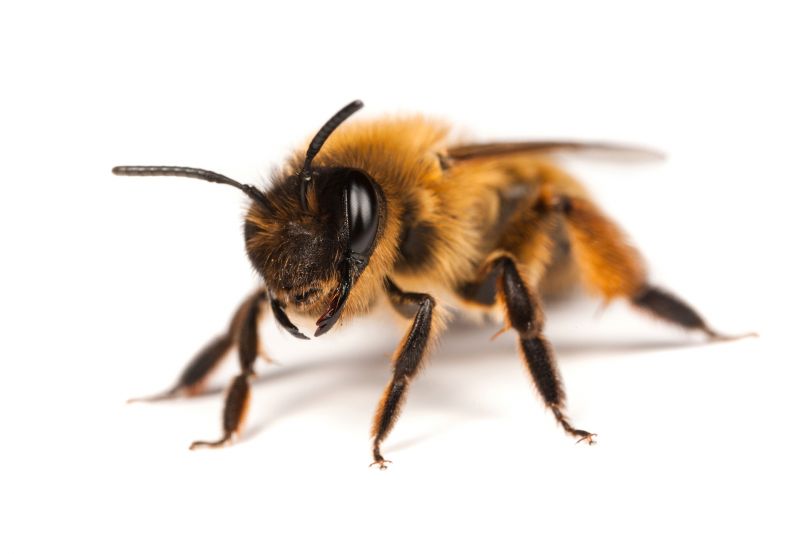
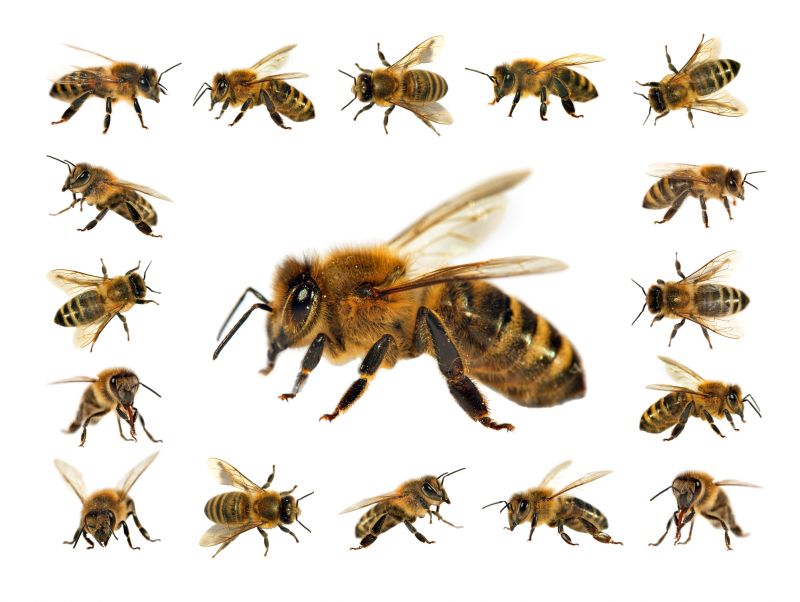
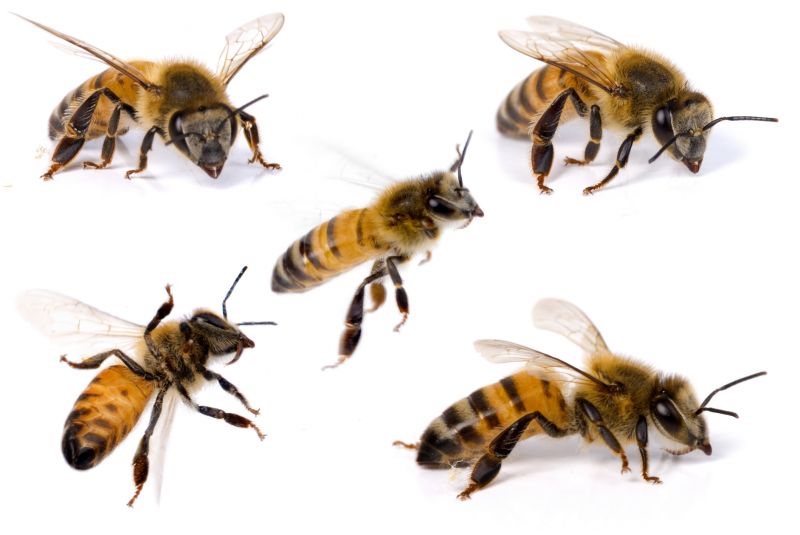
Bee pest control services focus on identifying and eliminating bee colonies that may pose risks to property or safety. These services typically involve careful inspection of the affected areas to locate active hives or nests, followed by safe removal or eradication of the bees. The goal is to address the problem effectively while ensuring the safety of residents and minimizing disturbance to the environment. Many service providers also offer advice on preventing future bee infestations, helping homeowners maintain a bee-free property.
This type of pest control is particularly helpful for resolving issues caused by swarms or established hives that have taken up residence on or near a property. Bees can sometimes build nests in wall voids, roof eaves, tree branches, or ground burrows, creating potential hazards for residents or visitors. Property owners often seek bee pest control when they notice increased bee activity, unusual buzzing sounds, or the presence of visible hives. Addressing these problems promptly can prevent property damage and reduce the risk of stings or allergic reactions.
Bee pest control services are commonly used on residential properties such as single-family homes, apartment complexes, and condominiums. They are also frequently needed for commercial buildings like warehouses, office spaces, and retail stores that experience bee activity around entrances, rooftops, or loading docks. Properties with gardens, orchards, or outdoor recreational areas may also require bee management to keep outdoor activities safe and enjoyable. These services help property owners maintain a safe environment while respecting the importance of bees in the ecosystem.
Homeowners and property managers typically turn to local contractors for bee pest control when they encounter a hive or swarm that could threaten safety or cause property issues. Recognizing the need for professional intervention can prevent the situation from worsening, especially if the hive is in a hard-to-reach location or if there are concerns about handling bees safely. By connecting with experienced service providers, property owners can ensure that bee removal is conducted effectively and responsibly, helping to keep their spaces safe and bee populations healthy.
The overview below groups typical Bee Pest Control Service projects into broad ranges so you can see how smaller, mid-sized, and larger jobs often compare in your area.
In many markets, a large share of routine jobs stays in the lower and middle ranges, while only a smaller percentage of projects moves into the highest bands when the work is more complex or site conditions are harder than average.
Small Pest Extermination - Typical costs for routine pest control services range from $250 to $600 for many smaller jobs, such as single-family home treatments. Most projects fall within this middle band, with fewer instances reaching the higher end of the spectrum for larger or more severe infestations.
Initial Inspection and Assessment - Local contractors often charge between $100 and $300 for comprehensive inspections to identify pest issues and determine treatment plans. This fee can vary depending on property size and complexity, but many inspections are completed within this range.
Full-Scale Infestation Treatment - Larger, more complex pest control projects can cost $1,000 to $3,000 or more, especially for extensive infestations or multi-visit treatments. While these higher costs are less common, they are typical for severe or widespread pest problems.
Ongoing Pest Management - Monthly or quarterly pest control plans usually cost between $50 and $100 per visit, with many routine service schedules falling into this range. Longer-term contracts or specialized treatments may push costs higher but are less frequently needed.
Actual totals will depend on details like access to the work area, the scope of the project, and the materials selected, so use these as general starting points rather than exact figures.
Pest inspection projects - local contractors often perform detailed inspections to identify pest activity, similar to assessing bee hive locations and entry points.
Wildlife removal services - professionals handle the safe removal and exclusion of various pests, sharing skills in humane trapping and habitat management with bee control specialists.
Exclusion and sealing projects - these involve blocking entry points to prevent pests from entering structures, a technique also used in bee hive prevention and access control.
Termite treatment services - applying treatments to eliminate subterranean or wood-damaging pests involves planning and chemical application skills akin to bee hive management.
Rodent control projects - managing rodent infestations requires understanding pest habitats and implementing trapping or exclusion strategies similar to bee pest control methods.
Bird proofing services - installing deterrents and barriers to keep birds away shares planning and installation skills with bee hive exclusion efforts.

When comparing service providers for Bee Pest Control, it’s important to consider their experience with similar projects. Homeowners should look for local contractors who have a track record of successfully handling bee-related issues in residential settings. An experienced professional will understand the nuances of bee behavior and the most effective methods for removal or prevention, which can contribute to a safer and more efficient service. While the site introduces homeowners to various local options, verifying a contractor’s background with comparable projects can help ensure the chosen provider has the relevant expertise.
Clear, written expectations are essential when evaluating potential service providers. Homeowners should seek detailed descriptions of the services offered, including the scope of work, methods used, and any guarantees or follow-up procedures. Having this information in writing helps prevent misunderstandings and ensures everyone is aligned on what will be done. The site facilitates connections to local contractors, but it remains the responsibility of the homeowner to clarify these details directly with the service providers to establish transparent expectations from the outset.
Reputable references and good communication are key factors in selecting a reliable bee pest control specialist. Homeowners are encouraged to ask local contractors for references from previous clients who had similar work performed. This provides insight into the contractor’s professionalism, quality of work, and responsiveness. Additionally, good communication-such as prompt responses to inquiries and clear explanations-can make the process smoother and more predictable. The site’s role is to introduce homeowners to nearby service providers, but choosing a provider who values clear communication and has positive references can lead to a more satisfactory experience.
Property owners use Bee Pest Control Service services for practical projects around their homes and businesses. This guide focuses on everyday jobs and straightforward project options.

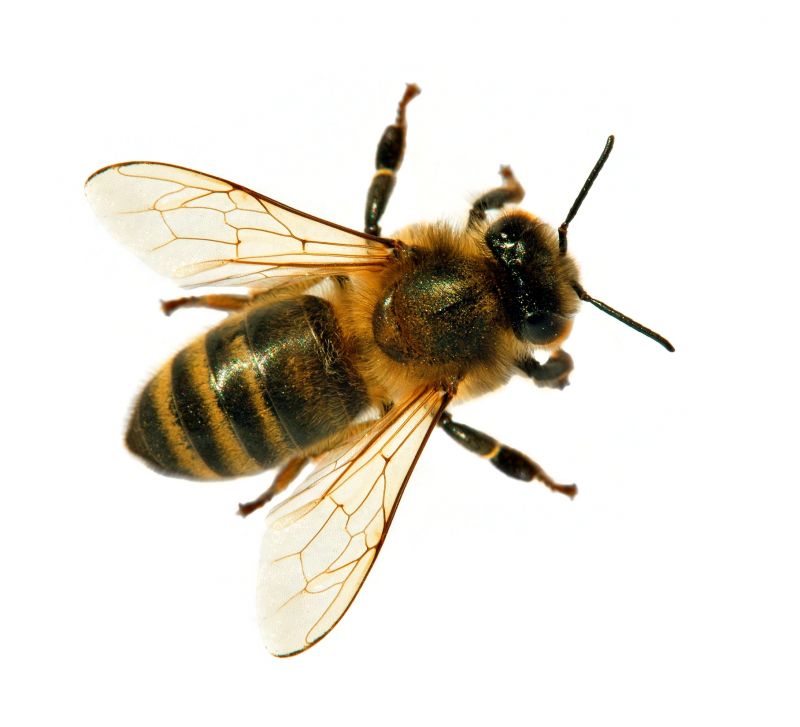
Property owners in the area often seek pest control services when they notice signs of unwanted insects or rodents around their homes or businesses. Common situations include spotting droppings, chewed wires, or discovering nests in hidden corners. These everyday issues can lead to concerns about damage, hygiene, or simply the discomfort of sharing a space with pests, prompting many to look for local contractors who can handle these problems effectively.
Additionally, residents may turn to local service providers when preparing for seasonal changes or after experiencing an infestation that’s difficult to eliminate on their own. Whether dealing with ants, termites, or other common pests, property owners often prefer to work with nearby professionals who understand the local environment and can provide tailored solutions to keep their spaces pest-free.
What types of pests can Bee Pest Control Service handle? Local contractors typically manage common pests such as ants, roaches, termites, rodents, and bed bugs.
Are Bee Pest Control Service providers licensed or certified? This site connects users with local service providers who operate legally and adhere to industry standards.
How do local contractors perform pest inspections? They usually conduct thorough visual inspections of the property to identify pest activity and entry points.
What methods do Pest Control Service providers use? Many local pros utilize a combination of baiting, trapping, and targeted treatments tailored to the pest type.
Can local contractors help with ongoing pest prevention? Yes, they often offer advice and services for ongoing prevention and maintenance to keep pests from returning.
Preventive Pest Management - Property owners can schedule regular pest control services to keep bees and other insects away from gardens, patios, and outdoor living spaces.
Bee Removal Solutions - Local contractors can assist with safely removing beehives from yards, roofs, or walls to protect residents and pollinators.
Wildlife and Pest Habitat Control - Homeowners can work with service providers to identify and treat areas that attract bees, reducing the risk of unexpected hive formations.
Emergency Bee Extermination - Property owners experiencing sudden bee swarms can connect with local pros to handle the situation promptly and safely.
If you are thinking about Bee Pest Control Service for a property, this guide is meant to help you understand the work, the typical project types, and how different options might fit your plans.
When you are ready, you can use the quote form on this page to share a few details about your project. From there, local pros can review the basics and respond with options that match what you have in mind.