How Routine Pest Control Helps Prevent Major Infestations
Routine pest control helps prevent major infestations by keeping pests under control through regular treatments provided by experienced local service providers.
Maintaining a regular pest control routine is a practical step property owners in the area can take to keep unwanted pests at bay. By establishing consistent treatments, local service providers can identify and address potential problem areas early, preventing pests from establishing large colonies that become difficult to manage. Routine pest control helps create a barrier around the property, reducing the likelihood of infestations that could cause damage or discomfort later on. For those looking to protect their homes and businesses, understanding how ongoing pest management plays a key role in prevention can be a valuable part of overall property care.
Exploring how routine pest control helps prevent major infestations highlights the importance of partnering with experienced local contractors. These professionals understand the common pests in the area and use targeted strategies to keep them from gaining a foothold. Regular treatments not only help eliminate existing pests but also serve as a proactive measure to prevent new ones from arriving. For property owners interested in maintaining a pest-free environment, connecting with local service providers who specialize in ongoing pest management can be a smart step toward long-term peace of mind.
- General Pest Prevention - homeowners noticing early signs of pests can rely on local contractors to implement routine pest control that targets common invaders before they become a major problem.
- Rodent Control - properties experiencing minor rodent activity can benefit from regular treatments by local pros to prevent larger infestations that threaten health and property.
- Ant and Cockroach Management - in areas where ants or cockroaches are a recurring issue, routine pest control helps maintain a barrier that stops infestations from escalating.
- Termite Prevention - homes at risk of termite activity can be protected through ongoing treatments by local service providers to prevent costly damage and widespread colonies.
- Seasonal Pest Control - during peak pest seasons, local contractors offer routine services that help keep pests at bay and prevent infestations from taking hold.


When people search for how routine pest control helps prevent major infestations, they are often looking to understand how regular treatments can keep pests from becoming overwhelming problems. The focus is usually on proactive strategies that address pests early before they multiply or cause significant damage. Homeowners want to know how consistent pest control efforts can reduce the likelihood of encountering large infestations of insects like ants, cockroaches, or termites, as well as rodents or other common pests. This approach emphasizes prevention rather than reactive measures, highlighting the importance of ongoing services to maintain a pest-free environment.
The connection between routine pest control and major infestations relates to a variety of common problems and planning strategies. Regular treatments can disrupt pest life cycles, eliminate early signs of activity, and create a barrier that discourages pests from establishing themselves. For property owners, this means less risk of structural damage, contamination, or health issues associated with infestations. Many plans involve scheduled visits that target high-risk areas, such as kitchens, basements, or outdoor spaces, ensuring pests are kept in check before they reach problematic levels. This proactive approach helps homeowners avoid costly repairs and inconvenient infestations that could otherwise develop unexpectedly.
Properties that frequently come up in discussions about routine pest control include single-family homes, apartment complexes, and multi-unit residential buildings. Commercial properties like restaurants, grocery stores, and warehouses also benefit from regular pest management to protect their operations and reputation. Additionally, properties with extensive landscaping, wood structures, or moisture issues may be more prone to infestations, making routine services especially valuable. Local service providers are equipped to customize pest control plans based on the specific needs of each property type, ensuring that the treatments are effective at preventing large-scale infestations and maintaining a pest-free environment.
Understanding how routine pest control helps prevent major infestations highlights the importance of partnering with experienced local contractors. These professionals can develop tailored plans that fit the unique characteristics of each property, whether residential or commercial. By scheduling regular visits, they can identify early signs of pest activity, implement targeted treatments, and establish barriers that keep pests from gaining a foothold. This ongoing preventative effort plays a key role in avoiding the disruption, damage, and health risks associated with severe infestations. Connecting with local pros ensures that property owners have access to the expertise needed to maintain a pest-free space through consistent, proactive pest management.
Termite Inspection and Treatment - local contractors perform inspections and treatments to identify and eliminate termite activity, helping prevent infestations that can cause major property damage.
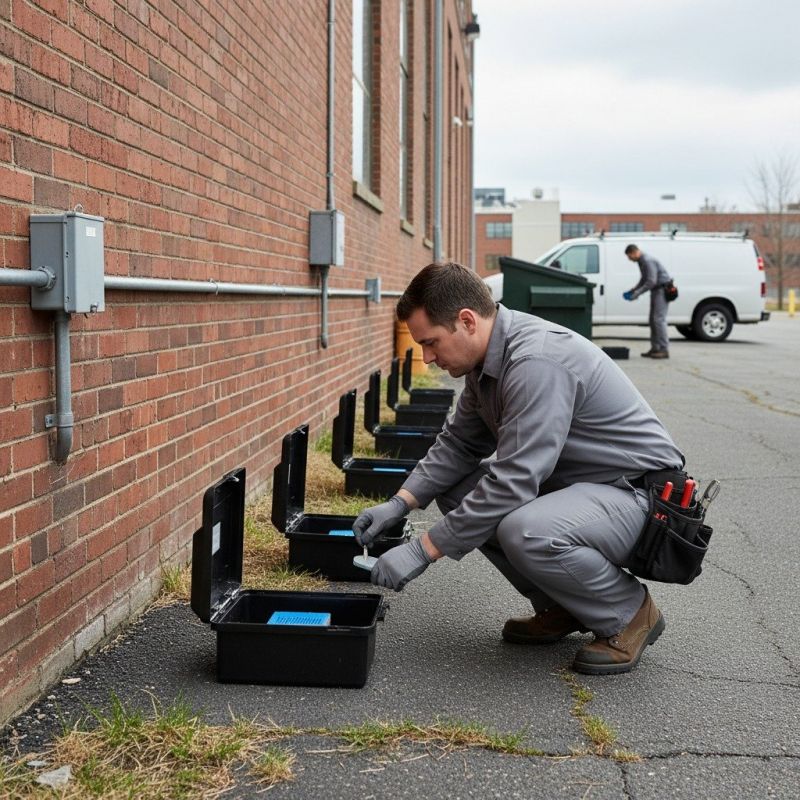
Rodent Control Projects - professionals set up traps, seal entry points, and monitor for rodents, reducing the risk of larger infestations developing over time.
Spider and Insect Barrier Services - local service providers apply barrier treatments to key areas, helping prevent the buildup of insects that could lead to larger pest problems.
Wildlife Exclusion Projects - experts install barriers and exclusion devices to prevent animals like raccoons or squirrels from entering structures, reducing pest-related issues.
Mosquito Control Services - contractors treat standing water and breeding sites to control mosquito populations, preventing potential infestations and health risks.
Bed Bug Prevention Treatments - local pros use targeted applications to deter bed bugs, helping avoid major infestations that are difficult to eliminate later.

When evaluating service providers for routine pest control, it’s important to consider their experience with similar projects. Homeowners should look for local contractors who have a track record of successfully managing pest prevention in residential settings comparable to their own. An experienced provider will understand common pest issues in the area and be familiar with effective strategies to prevent major infestations before they develop, helping to maintain a pest-free home over time.
Clear, written expectations are essential when choosing a pest control service. Homeowners should seek out providers who offer detailed descriptions of their approach, including what treatments are included, the frequency of visits, and how they monitor ongoing pest activity. Having this information in writing helps ensure there are no misunderstandings about what the service entails and provides a basis for assessing whether the provider’s approach aligns with the homeowner’s pest prevention goals.
Reputable references and good communication are key factors in selecting a reliable service provider. Homeowners can ask for references or reviews from previous clients to gauge the quality of the work and the provider’s professionalism. Additionally, good communication-such as responsiveness to questions and clarity in explaining procedures-can make the process smoother and more transparent. These qualities help homeowners feel confident that the local contractor will be attentive to their needs and capable of effectively helping prevent major pest infestations through routine pest control services.
Property owners often search for how routine pest control helps prevent major infestations when they are planning practical projects around their homes and businesses. Local pros provide Routine Pest Control services for everyday jobs and straightforward project options.
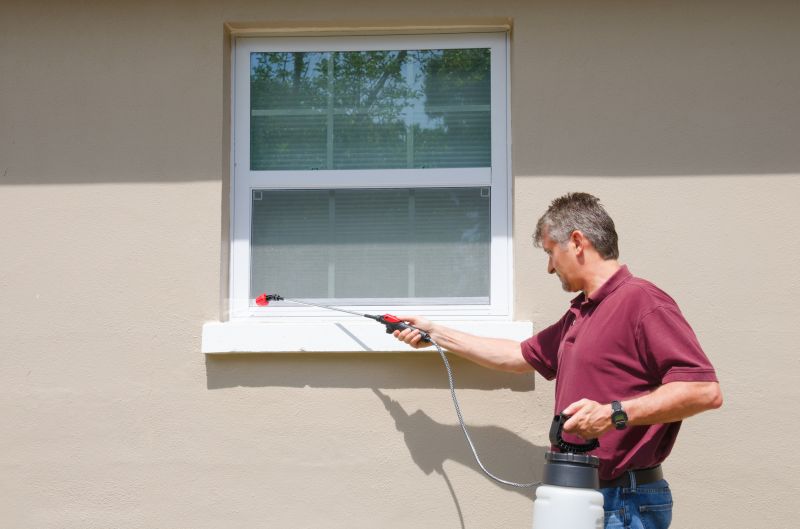
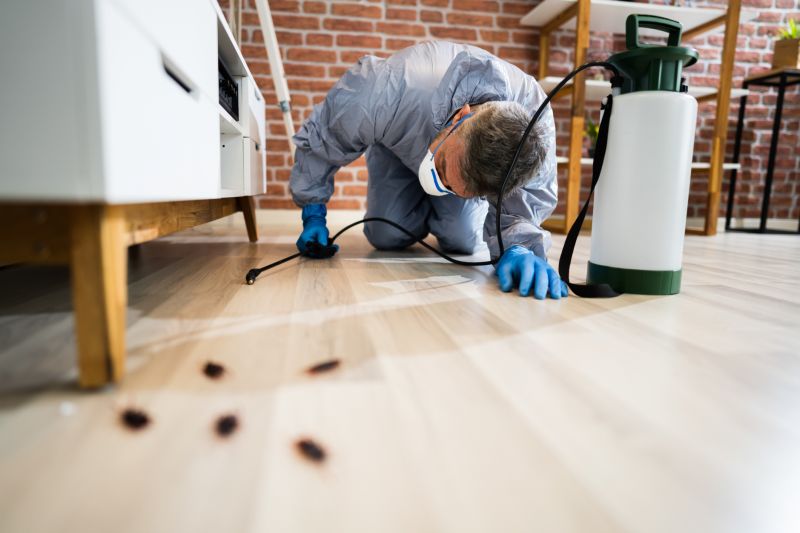
Routine pest control is a proactive approach that helps property owners stay ahead of potential infestations by regularly treating and inspecting their spaces. This ongoing maintenance can identify early signs of pest activity before they become severe problems, saving time and reducing the likelihood of costly damage or health issues. Property owners in the area often look into these services to maintain a clean, pest-free environment, especially during seasons when pests tend to be more active.
Engaging with local contractors for routine pest control can be an effective way to prevent major infestations from taking hold. These service providers use targeted strategies to keep pests at bay, addressing common entry points and eliminating early signs of activity. Regular treatments can help ensure that homes and businesses remain protected, making it easier to manage pest issues before they escalate into larger, more disruptive problems.
How does routine pest control help prevent major infestations? Routine pest control targets pests early, reducing their populations before they become large, making it easier for local contractors to manage and prevent major infestations.
Why is regular pest control important for infestation prevention? Regular treatments help identify and address pest activity promptly, preventing minor issues from escalating into significant infestations handled by local service providers.
What role do local contractors play in preventing pest infestations through routine services? Local contractors perform consistent inspections and treatments that keep pests in check, reducing the risk of a major infestation developing over time.
Can routine pest control eliminate the need for major pest treatments? Yes, by maintaining regular pest control, local pros help manage pest populations proactively, often avoiding the need for extensive or emergency treatments.
How does routine pest control contribute to long-term pest management? It creates a barrier that discourages pests from establishing or re-establishing colonies, supporting ongoing pest management efforts from local service providers.
Consistent inspections - Regular visits by local contractors help identify early signs of pest activity before it becomes a major problem.
Preventative treatments - Routine pest control services apply targeted treatments that create a barrier against common pests.
Sanitation and debris removal - Local pros can advise on keeping outdoor areas tidy and free of clutter that pests use for shelter.
Structural pest proofing - Professional assessments can highlight vulnerabilities in the property that, if addressed, reduce the risk of infestations.
If you are thinking about how routine pest control helps prevent major infestations for a property, this guide is meant to help you understand this topic, the typical project types, and how different options might fit your plans.
When you are ready, you can use the quote form on this page to share a few details about your project. From there, local pros can review the basics and follow up with options that match what you have in mind.