Get Rodent Control Service
Local contractors offer rodent control services to eliminate mice and rats, prevent infestations, and secure properties against future pest problems.
Rodent control services are a practical consideration for property owners seeking to maintain a safe and comfortable environment. Whether dealing with an ongoing issue or planning preventative measures, exploring local options can help identify experienced service providers equipped to handle the job effectively. Comparing different local contractors allows property owners to find solutions tailored to their specific needs, ensuring that the property remains protected from potential damage and health concerns associated with rodents.
By examining the available services in the area, property owners can make informed decisions about how to address rodent-related challenges. Connecting with qualified local contractors provides an opportunity to discuss various approaches and determine the best course of action for maintaining a pest-free property. Keep reading to learn more about how local professionals can assist in managing rodent issues efficiently and effectively.
- Rodent Inspection - needed when signs of rodent activity are observed inside or around a property.
- Rodent Exclusion - required when securing a building to prevent rodents from entering.
- Rodent Baiting and Trapping - suitable for controlling active infestations in residential or commercial spaces.
- Sanitation and Cleanup - necessary after rodent activity to remove droppings and contaminated materials.
- Ongoing Monitoring - recommended for properties experiencing recurring rodent issues or as a preventative measure.

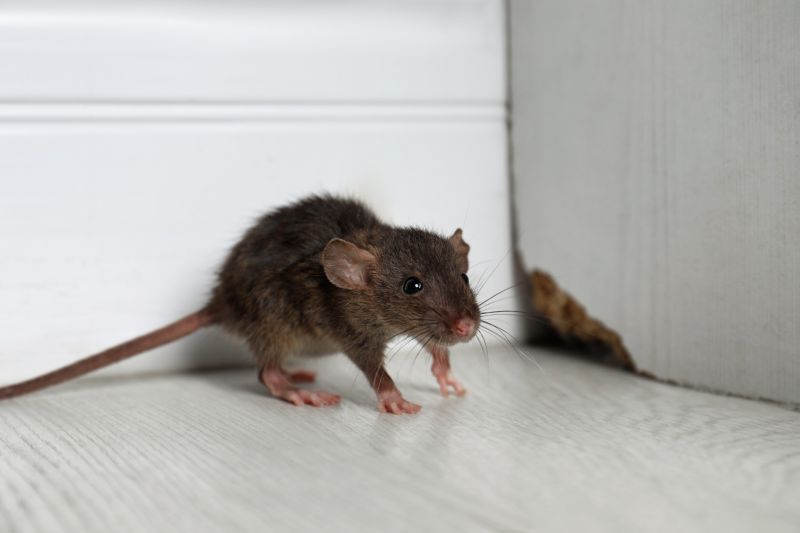
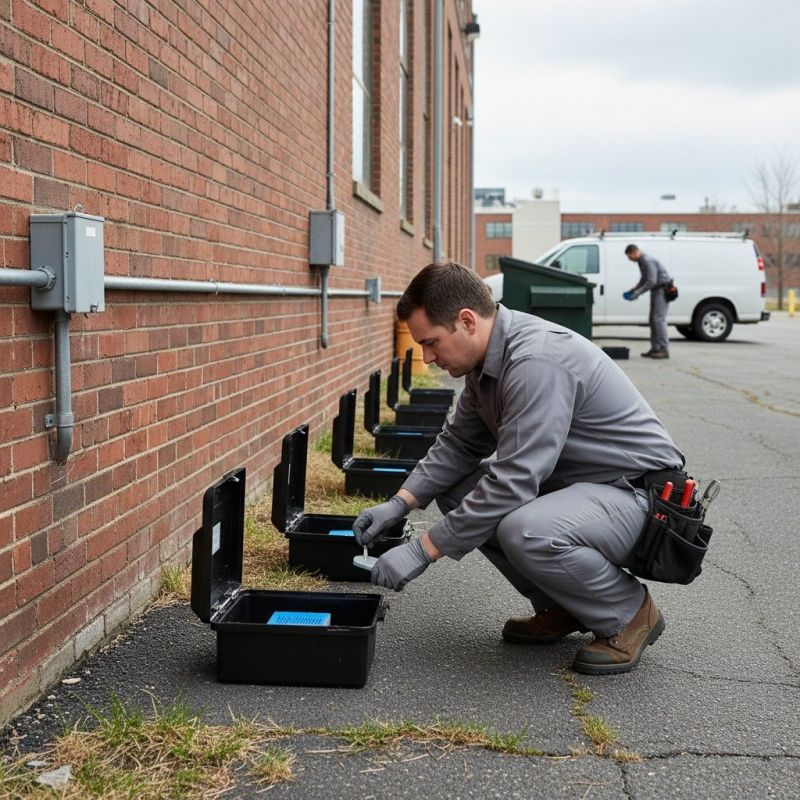
Rodent control services involve the identification, removal, and prevention of rodents such as mice and rats from residential or commercial properties. These services typically include thorough inspections to locate entry points, nesting areas, and signs of infestation. Once the problem areas are identified, service providers may implement trapping, baiting, and sealing techniques to eliminate current rodents and prevent future activity. The goal is to create a safe, pest-free environment by addressing the root causes of rodent issues and reducing the likelihood of recurring problems.
Rodent problems can cause a range of issues for property owners. Beyond the obvious nuisance, rodents can damage insulation, wiring, and stored goods, leading to costly repairs. They are also known carriers of diseases, which can pose health risks to residents and visitors. Many property owners seek rodent control services when they notice droppings, gnaw marks, or strange noises in walls and ceilings. Prompt action can help prevent the spread of disease and further property damage, making professional rodent management an essential step when an infestation is suspected.
These services are commonly used on a variety of property types, including single-family homes, apartment complexes, and commercial buildings. Residential properties often require rodent control when signs of infestation appear, especially in areas like basements, attics, or kitchens. Commercial properties such as warehouses, restaurants, and offices also benefit from professional pest management to maintain health standards and comply with regulations. Regardless of the property size or type, experienced local service providers can tailor solutions to effectively address rodent issues and protect the space.
Homeowners and property managers should consider rodent control services when they observe evidence of rodents or experience related problems. Common signs include droppings, chewed wires or furniture, and unusual odors. These services are also useful as a preventative measure in properties that have experienced previous infestations or are located in areas prone to rodent activity. Connecting with local contractors can help determine the most appropriate approach for each specific situation, ensuring a thorough and lasting solution to rodent problems.
The overview below groups typical Rodent Control Service projects into broad ranges so you can see how smaller, mid-sized, and larger jobs often compare in your area.
In many markets, a large share of routine jobs stays in the lower and middle ranges, while only a smaller percentage of projects moves into the highest bands when the work is more complex or site conditions are harder than average.
Smaller Repairs - Typical costs for minor rodent exclusion or trap placement range from $250 to $600 for many routine jobs. Most projects in this range involve basic sealing or trapping in residential properties. Fewer jobs reach the higher end of this spectrum, which may involve additional repairs or inspections.
Standard Pest Control - Many local contractors offer routine rodent control services at costs between $600 and $1,200. This range covers common treatments for homes and small commercial spaces and is where most projects fall. Larger or more complex cases can exceed this range but are less common.
Comprehensive Removal - Larger or more involved rodent removal projects typically cost between $1,200 and $3,000. These projects often include extensive inspections, multiple treatments, and structural repairs. Projects in this band are less frequent than standard jobs but are necessary for serious infestations.
Full Property Exclusion - Complete exclusion or large-scale rodent proofing can range from $3,000 to $5,000 or more. Such projects are less common and usually involve significant structural work, especially in commercial or multi-unit properties. Costs vary based on property size and complexity of the work needed.
Actual totals will depend on details like access to the work area, the scope of the project, and the materials selected, so use these as general starting points rather than exact figures.
Pest Inspection Projects - These involve identifying signs of pest activity and assessing entry points, skills that are essential for effective rodent control planning and execution.
Wildlife Removal Services - Removing larger animals from attics or crawl spaces requires similar trapping, sealing, and property inspection techniques used in rodent exclusion work.
Home Sealing Projects - Sealing cracks, gaps, and entry points to prevent pest access aligns closely with the preventative measures taken in rodent control services.
Exclusion and Barrier Installation - Installing physical barriers to block pests from entering structures shares planning and installation skills with rodent-proofing efforts.
Attic and Crawl Space Cleanup - Clearing debris and nesting materials in these areas is often part of rodent removal and prevention strategies.
Structural Pest Prevention Projects - Implementing measures to prevent pest infestations involves similar planning, inspection, and sealing techniques used in rodent control services.
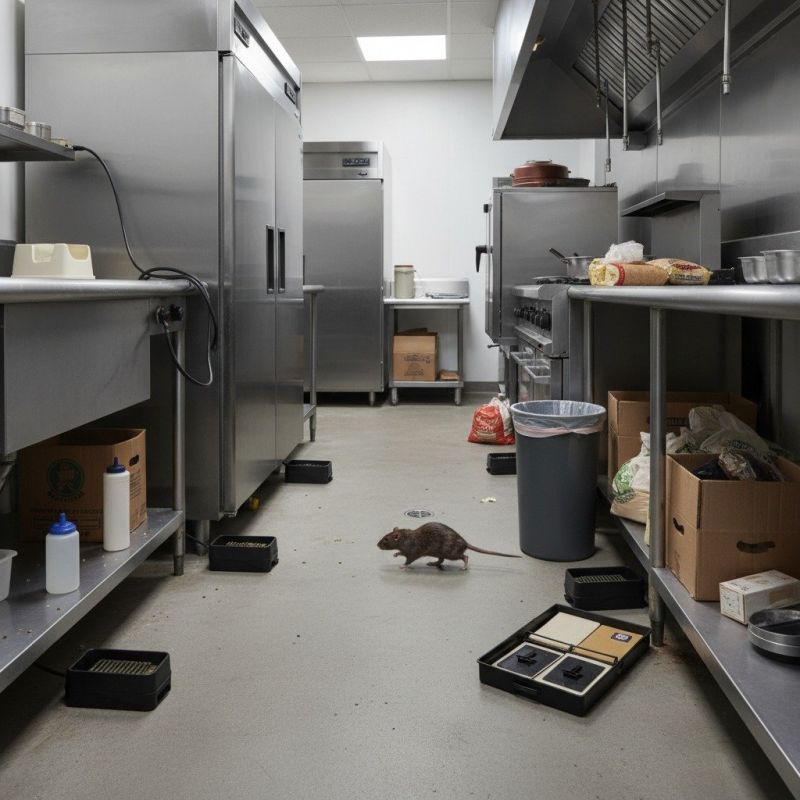
When comparing service providers for rodent control, it’s important to consider their experience with similar projects. Homeowners should inquire about how long a contractor has been working in the field and whether they have handled properties comparable to their own. An experienced local contractor will be familiar with common rodent issues in the area and understand effective methods to address them. This background can provide confidence that the service provider has encountered and successfully managed situations similar to the homeowner’s, increasing the likelihood of a thorough and effective solution.
Clear, written expectations are essential when evaluating local pros for rodent control services. Homeowners should seek detailed descriptions of the services offered, including the scope of work, methods used, and any follow-up procedures. Having these expectations documented helps prevent misunderstandings and ensures that both parties are aligned on what will be done. It’s also helpful to ask for a written plan or outline of the process, which can serve as a reference throughout the project and provide clarity on what to anticipate.
Reputable references and good communication are key indicators of a reliable service provider. Homeowners are encouraged to ask for references from previous clients who had similar work done, as this provides insight into the contractor’s track record and professionalism. Additionally, a contractor’s responsiveness and willingness to answer questions demonstrate their commitment to clear communication. Choosing a local service provider known for transparent, timely interactions can help ensure that concerns are addressed promptly and that the project proceeds smoothly. Remember, this site introduces homeowners to local options, but the actual work is performed by the contractors themselves.
Property owners use Rodent Control Service services for practical projects around their homes and businesses. This guide focuses on everyday jobs and straightforward project options.
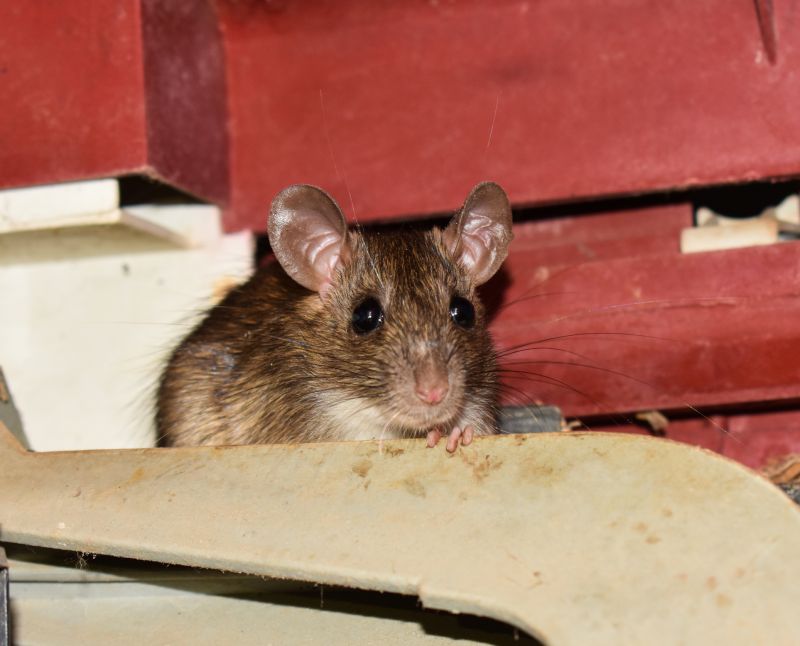

Rodent issues can arise in a variety of everyday property situations, prompting property owners to seek professional assistance. Whether there are signs of mice or rats in the attic, basement, or walls, or there’s a persistent smell or droppings, local contractors are available to address these concerns. They can help identify entry points, implement effective control methods, and prevent future infestations, making sure homes and businesses remain safe and comfortable.
Property owners might also turn to local service providers when dealing with ongoing rodent problems that disrupt daily routines or compromise hygiene. In cases where previous DIY efforts haven’t resolved the issue, or new activity is detected after a clean-up, experienced contractors can provide targeted solutions. These professionals are equipped to handle a range of situations, from minor nuisance problems to more extensive infestations, helping property owners maintain a pest-free environment.
How do local contractors handle rodent infestations? They typically perform a thorough inspection to identify entry points and nesting areas, then implement targeted trapping and baiting methods to control the rodent problem.
What methods are used in professional rodent control? Service providers often use a combination of trapping, bait stations, and exclusion techniques to remove rodents and prevent future entry.
Are there preventive measures to keep rodents away? Yes, local contractors can advise on sealing gaps, removing food sources, and maintaining sanitation to reduce the likelihood of rodent issues.
Can rodent control services address different types of rodents? Yes, experienced service providers can handle various rodents such as mice and rats, tailoring their approach accordingly.
What should be done after rodent removal? Contractors may recommend ongoing monitoring, sealing entry points, and maintaining cleanliness to prevent re-infestation.
Preventative Rodent Control - Property owners can schedule regular inspections with local contractors to help identify potential entry points and prevent infestations before they start.
Interior Rodent Exclusion - Homeowners experiencing signs of rodents indoors can work with local service providers to seal gaps and block access points.
Outdoor Rodent Barriers - Garden and yard areas can be protected by installing physical barriers, reducing the likelihood of rodents entering the property.
Rodent Monitoring Solutions - Property managers can set up ongoing monitoring systems with local pros to detect and address rodent activity early.
If you are thinking about Rodent Control Service for a property, this guide is meant to help you understand the work, the typical project types, and how different options might fit your plans.
When you are ready, you can use the quote form on this page to share a few details about your project. From there, local pros can review the basics and respond with options that match what you have in mind.